Best Heated Vests for Winter 2025 – Stay Warm Anywhere
Oct 31,2025 | Cozy Core
![]() Intro
Intro
 Intro
Intro Winter 2025 is here—cold commutes and early starts included. A quality heated vest keeps your core warm without bulky layers. U.S. safety agencies recommend a simple layering system—wicking base, heated vest as the mid layer, and a protective shell—to stay comfortable and reduce cold-stress risks like hypothermia and frostbite. In this guide, you’ll see how heated vests work, what specs matter, and two easy picks from Cozy Core for everyday use.
Why Choose a Heated Vest?
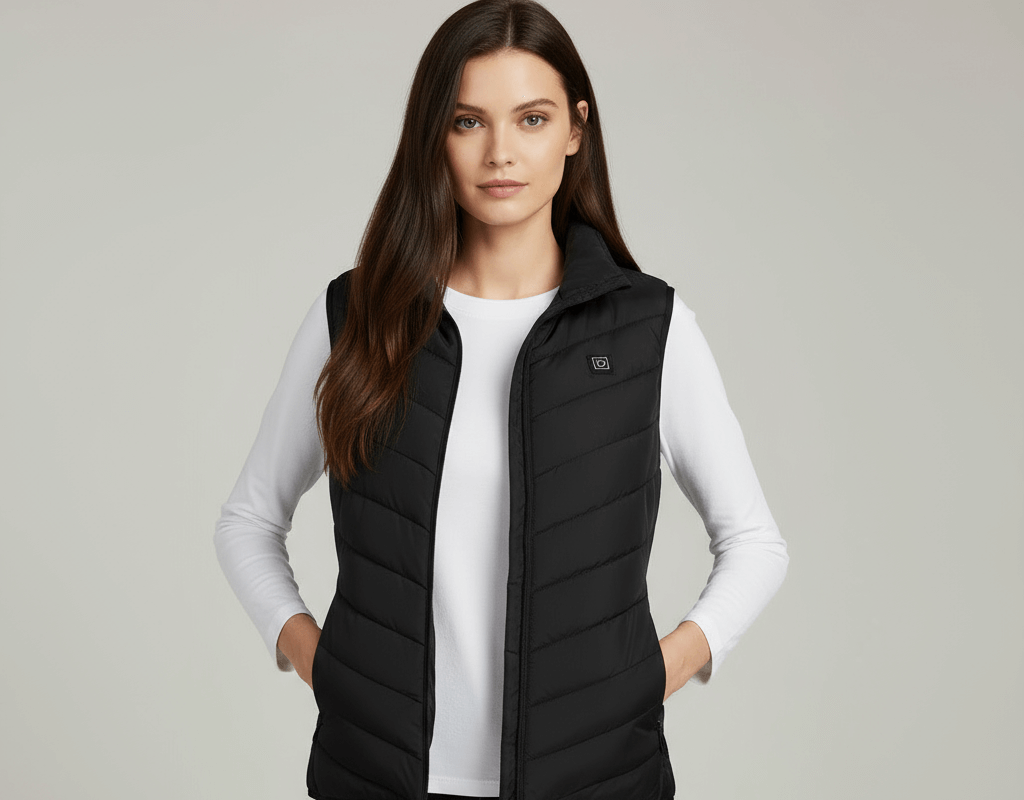
Heated vests target the chest and back with built-in heating zones, so you can move freely and still stay warm. They’re designed to sit under a wind- and water-resistant shell as part of a three-layer system—exactly the approach safety agencies recommend for cold environments. OSHA
What you’ll notice right away
-
🔋 6–8 hours of runtime (depends on heat level and weather)
-
🌡️ Three heat levels, quick one-button control
-
💧 Water-resistant, wind-ready fabrics pair well with shells
-
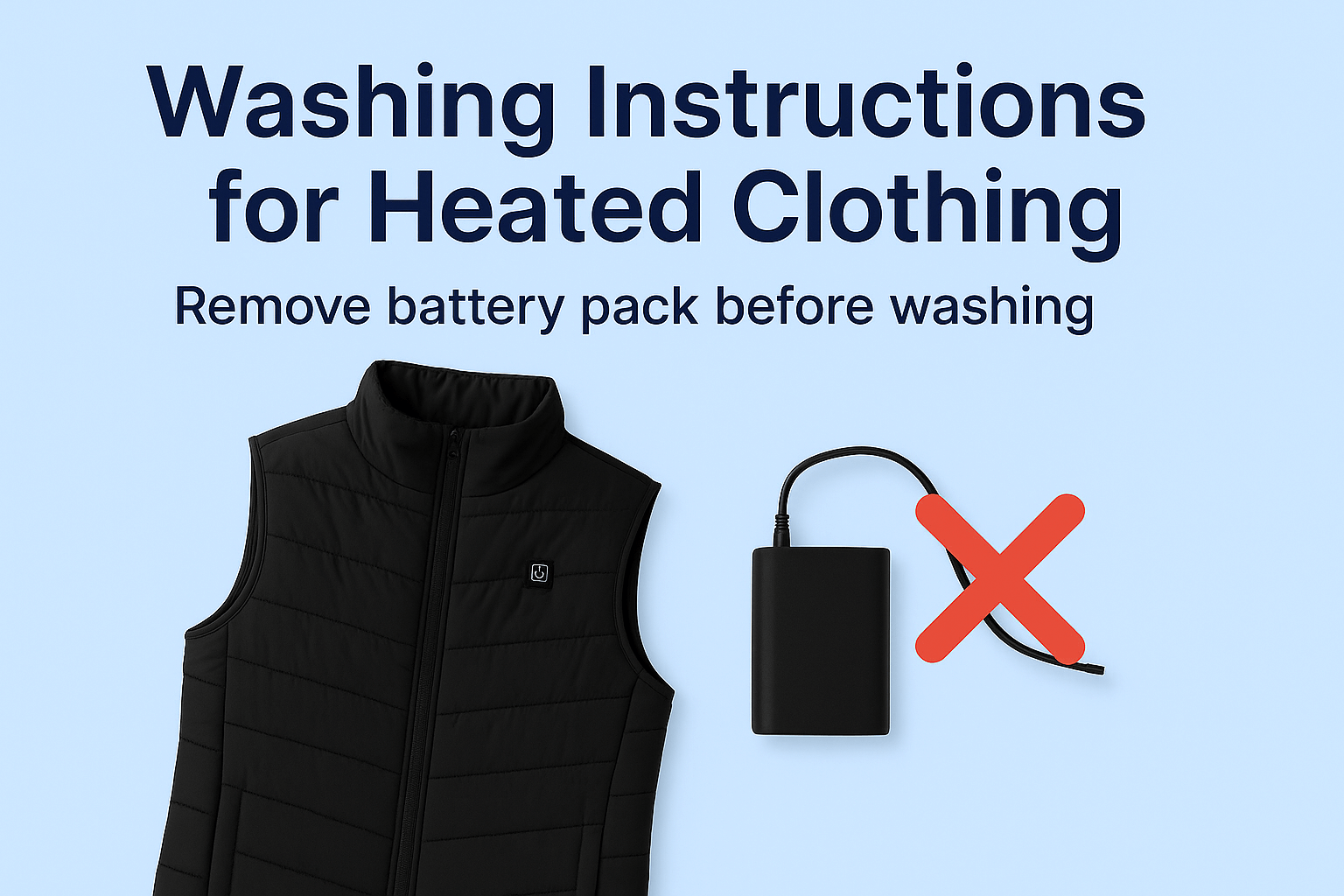
🧼 Machine-washable after removing the battery (follow care labels)
Cold-stress basics: OSHA notes that training, proper clothing choices, and scheduled warm-ups reduce risk in low temperatures. OSHA
How Heated Vests Work
A low-voltage battery powers thin carbon-fiber or graphene elements mapped to key heating zones (chest/back/neck). Tap the controller to cycle Low/Medium/High; elements warm in seconds and distribute heat evenly. Wearing the vest as the mid layer boosts efficiency, and using a windproof outer helps the battery last longer—important when wind chill accelerates heat loss. weather.gov
Best Heated Vests for Men & Women in 2025
Cozy Core Heated Vest — Lightweight & Powerful
-
Up to 8 hours on Low
-
Carbon-fiber heating zones (chest/back/neck)
-
Water-resistant, wind-blocking outer
-
Dual-zone control to fine-tune warmth and save power
👉 [Shop Now]
How to Choose the Right Heated Vest
-
Battery life: Plan on 6–8 hours; pack a spare for all-day outings. Longer run time is easier if your outer blocks wind (wind chill speeds heat loss). weather.gov
-
Heating zones: Choose 3+ zones (back/chest/neck). Dual or independent control helps direct heat and conserve the battery.
-
Materials: Lightweight, water-resistant fabrics + a breathable shell handle wind and light precip without bulk.
-
Fit: Snug, not tight—traps warmth and layers smoothly (base → vest → shell).
-
Safety mindset: For long exposure, follow OSHA/NIOSH cold-stress guidance: warm-up breaks, dry clothing, and symptom awareness. OSHA
FAQ – Common Questions
Are heated vests safe?
Yes. Reputable models include over-temperature and short-circuit protection. To reduce cold-stress risk, OSHA/NIOSH recommends training, appropriate clothing, and scheduled warm-ups. OSHA
Can I wash my heated vest?
Yes. Remove the battery, use a gentle cycle (laundry bag preferred), and air-dry. Always follow the care label.
How long does the battery last?
Typically 6–8 hours, depending on heat level, temperature, and wind. The National Weather Service shows how wind chill accelerates heat loss, which can shorten runtime. weather.gov
What should I watch for in extreme cold?
CDC/NIOSH lists hypothermia, frostbite, trench foot, and chilblains as key risks; learn early signs and first-aid basics (e.g., warm—not hot—water for frostbite, avoid rubbing). cdc.gov
Final Thoughts
A heated vest is a small upgrade with a big payoff: warm core, free movement, less bulk. Pair your Cozy Core heated vest with a wicking base and a wind/rain shell for a setup that works on the commute, on the job, and on winter weekends.
👉 Stay cozy this winter — [Shop Heated Vests Now ]