Are Heated Vests Safe?
Nov 05,2025 | Cozy Core
Introduction
When the winter chill sets in and layers of clothing just won’t cut it, a heated vest might seem like the perfect solution. But with technology built into clothing, many wonder: Are heated vests safe? In this article, we’ll break down how heated vests work, highlight key safety features, cover potential risks and usage best practices, and help you decide if a heated vest is right for you.
How Does a Heated Vest Work?
A heated vest typically incorporates built-in heating elements (such as carbon-fiber or metal wires) placed strategically around the chest and back. These elements draw power from a rechargeable battery pack, and you usually control heat via a button or touch panel. Quality models let you select several heat levels (e.g., low, medium, high). For example, one model uses multiple heating zones and has an auto-shutoff thermal protector to avoid overheating.
The main idea: you get active warmth rather than relying solely on insulation, so your body expends less energy staying warm.
What Safety Features to Look for in a Heated Vest
When assessing the safety of a heated vest, these features are key:
-
Battery & voltage regulation – A battery with temperature control, short-circuit protection and auto cut-off is important.
-
Heat element distribution & fabric insulation – Quality vests avoid hot-spots by distributing heat evenly and selecting fabrics that shield the skin.
-
Certified materials & manufacturing – Look for vests from reputable brands that adhere to safety standards (CE, UL, etc.).
-
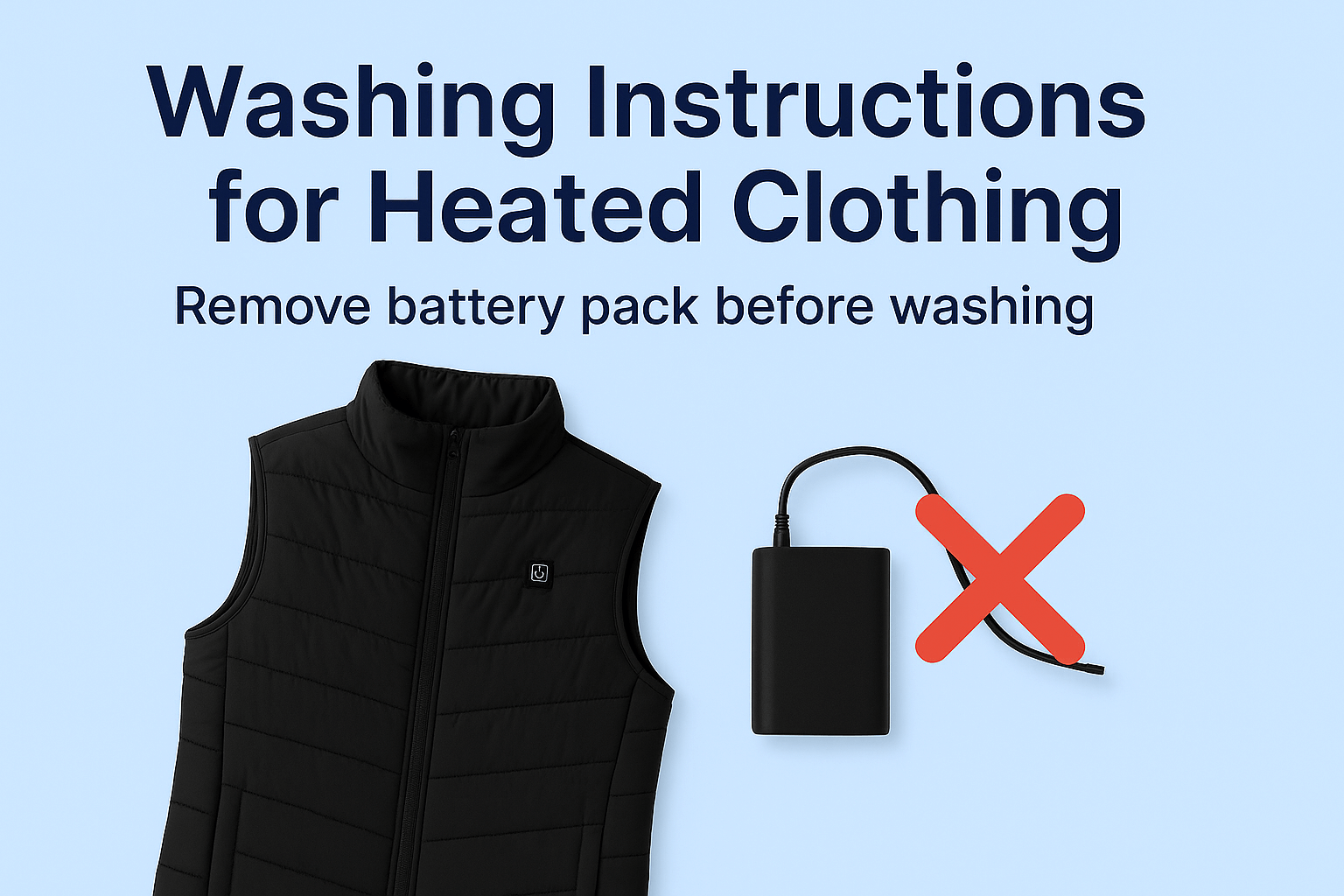
Clear user instructions & maintenance guidelines – Remove the battery before washing, avoid using damaged cables, respect heat settings.
Are Heated Vests Safe for Most People?
In general, for healthy adults, a quality heated vest with proper usage is considered safe. Multiple sources suggest that as long as you follow guidelines and select a well-designed model, the risks are minimal.
That said, safety is not universal for all users in all situations — there are some caveats.
Who Should Be Cautious?
Certain individuals should take extra care when using heated vests:
-
People with heart conditions or pacemakers – Because electrical elements and body heat may interact differently.
-
Children, the elderly, or people with reduced thermal sensation – They may not feel overheating or uncomfortable temperatures quickly.
-
Use in high moisture or wet conditions – Water and electrical elements don’t mix well. Ensure waterproofing or avoid if heavily exposed.
If you have a health concern, it’s wise to consult a medical professional before regular use of a heated vest.
Common Myths & Misconceptions
Myth 1: A heated vest can overheat like an electric blanket.
Fact: Modern heated vests typically use low-voltage batteries (<10 V) and include thermal protection – the risk of overheating is far lower.
Myth 2: Heated vests emit dangerous radiation.
Fact: The heating elements are non-ionizing and pose no known radiation risk when used properly.
Myth 3: You can sleep in a heated vest all night.
Fact: Most manufacturers do not recommend wearing a heated vest while sleeping due to prolonged exposure and reduced supervision.
Best Practices for Using a Heated Vest Safely
-
Read the manufacturer’s instructions thoroughly before first use.
-
Always use the correct battery pack and check for signs of wear or damage.
-
Start with a low or medium heat setting until you’re comfortable with the feel.
-
Avoid wearing the vest on high for long durations without breaks.
-
Pair the vest with appropriate layering (not just the vest as your only top).
-
Remove the battery before washing the garment and follow washing instructions.
-
Store the vest and battery in a cool, dry place when not in use.
Conclusion: Are Heated Vests Safe?
Yes — when chosen and used correctly, a heated vest can be a safe, effective solution for staying warm in cold conditions and reducing the need for bulky outerwear. By selecting a reputable brand, ensuring the vest has essential safety features, and following recommended usage practices, you can enjoy its benefits with confidence. Just remember: if you have specific health concerns or conditions, it’s always best to seek advice from a qualified professional.
Stay warm, stay safe — and let your Cozy Core heated vest become your trusted cold-weather ally.